Up to 30% off · Complimentary gift wrapping
FARUZO

Jewelry Symbolism

The meaning behind
every symbol

Every symbol we wear carries a story — of protection, faith, love or luck, passed down across cultures and centuries. This is your guide to 21 of the most enduring symbols in jewelry: where they come from, what they mean, and why we still reach for them today.

Long before language was written down, people wore meaning. A shell, a knot, an eye pressed into clay — each was a way of carrying belief on the body, of keeping something sacred within reach. Jewelry has always been more than ornament. It is one of the oldest forms of storytelling we have.

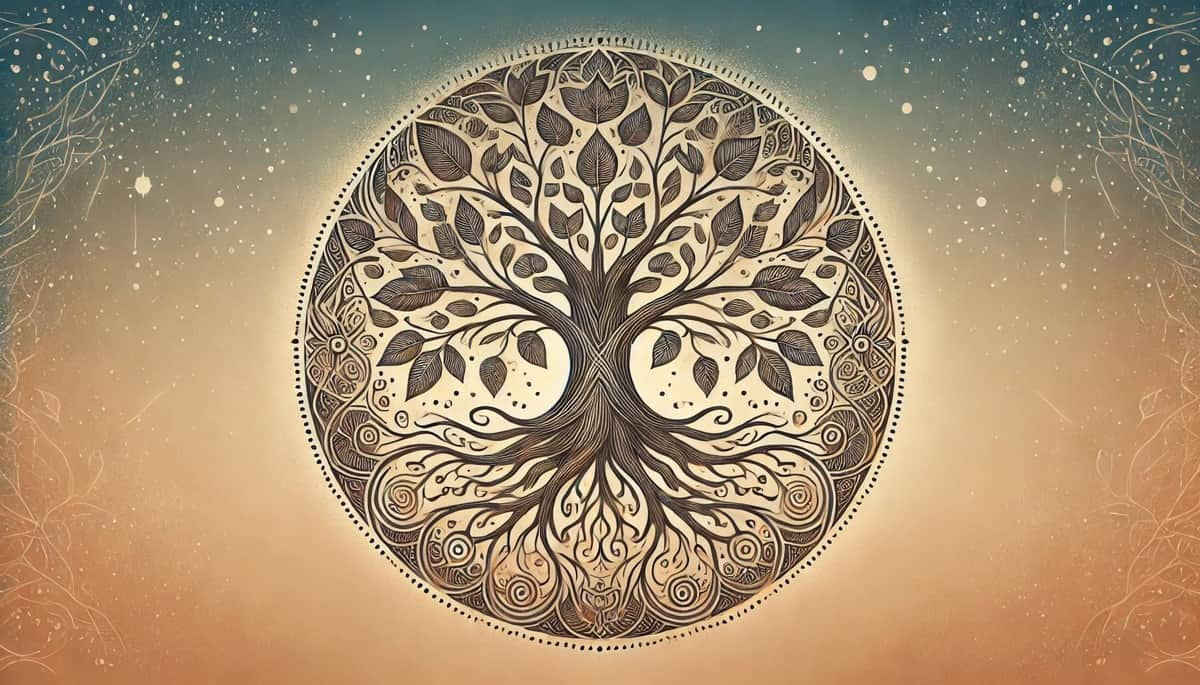
A symbol turns a piece of metal into a message. The evil eye answers an ancient fear; the infinity loop makes a promise no words can; the tree of life holds a whole worldview in a single silhouette. When you choose one to wear, you are joining a lineage of people who chose it before you — and saying, quietly, this is what I believe in. Explore the meanings below, and find the symbol that is already yours.
How to choose a symbol that fits

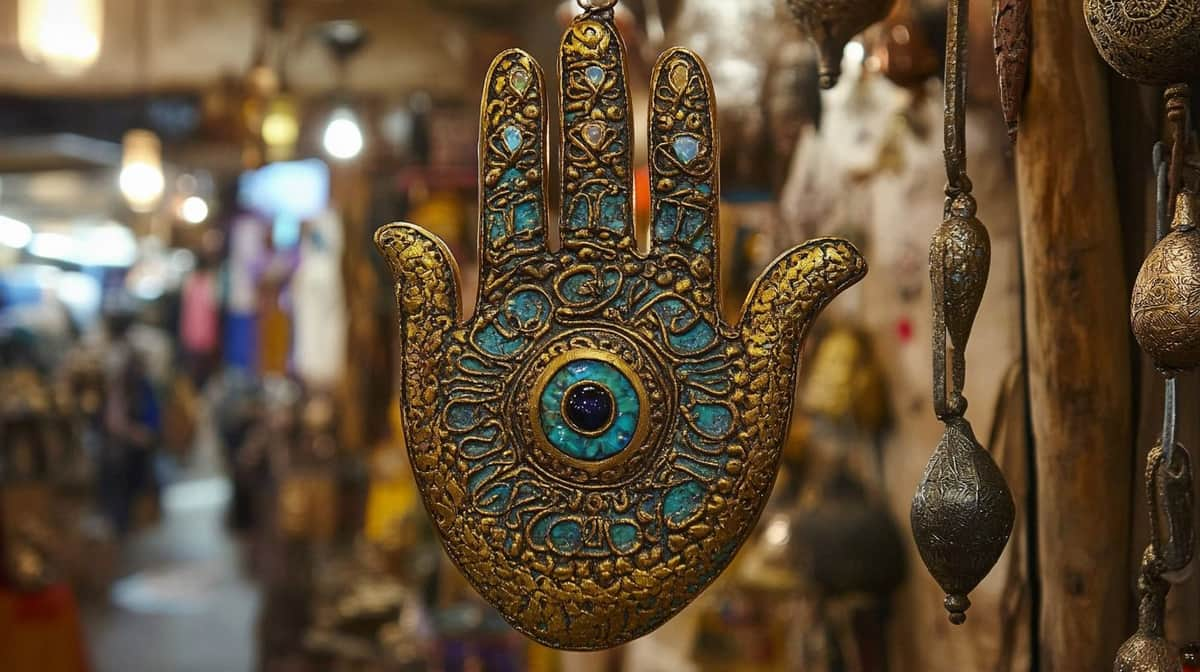
Start with the intention, not the design. If you want protection — for yourself, a child, or someone starting something uncertain — the oldest answers are the evil eye, the hamsa and the dream catcher. For luck at a threshold moment — a new home, a new job, exam season — reach for the horseshoe or the wishbone. To mark love and connection, the heart, the claddagh and the infinity loop each say it differently — passion, loyalty, permanence. And for change and renewal — a recovery, a fresh chapter, a transformation earned — the butterfly, the ouroboros and the tree of life carry that story on the skin.

Two practical notes from the workshop. First, symbols stack meaning when combined — an eye set into a hamsa's palm, an anchor crossed with an infinity — so don't be afraid to pair them. Second, the most-loved symbolic pieces we make are the ones tied to a person: a symbol chosen for someone, engraved with their name or date. Meaning plus specificity is what turns a charm into a keepsake.

Protection & warding off harm

Across cultures and centuries, people have worn symbols to guard against misfortune and the ill will of others. These are the oldest, most universal talismans in jewelry.

Faith & spirituality

Some symbols carry the weight of belief. Worn close to the skin, they turn faith and identity into something you can hold — a quiet declaration of what you hold sacred.

Love & eternal bonds

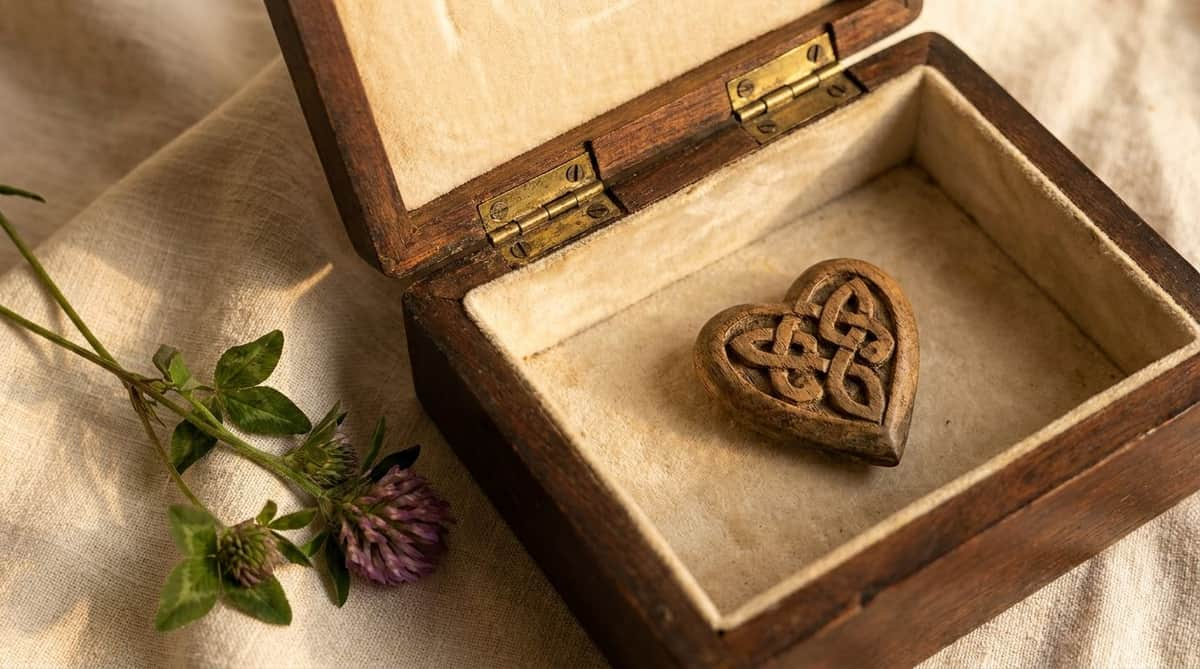
The symbols we give to those we love speak of connection without end — friendship, loyalty and a promise meant to outlast us.

Luck & fortune

Charms of good fortune have adorned wrists and necklines for generations — small tokens worn to invite luck and keep it close.

Journey, strength & renewal

These are the symbols of steadiness and change — of holding firm through the storm, and of life that begins again.

The natural & celestial world

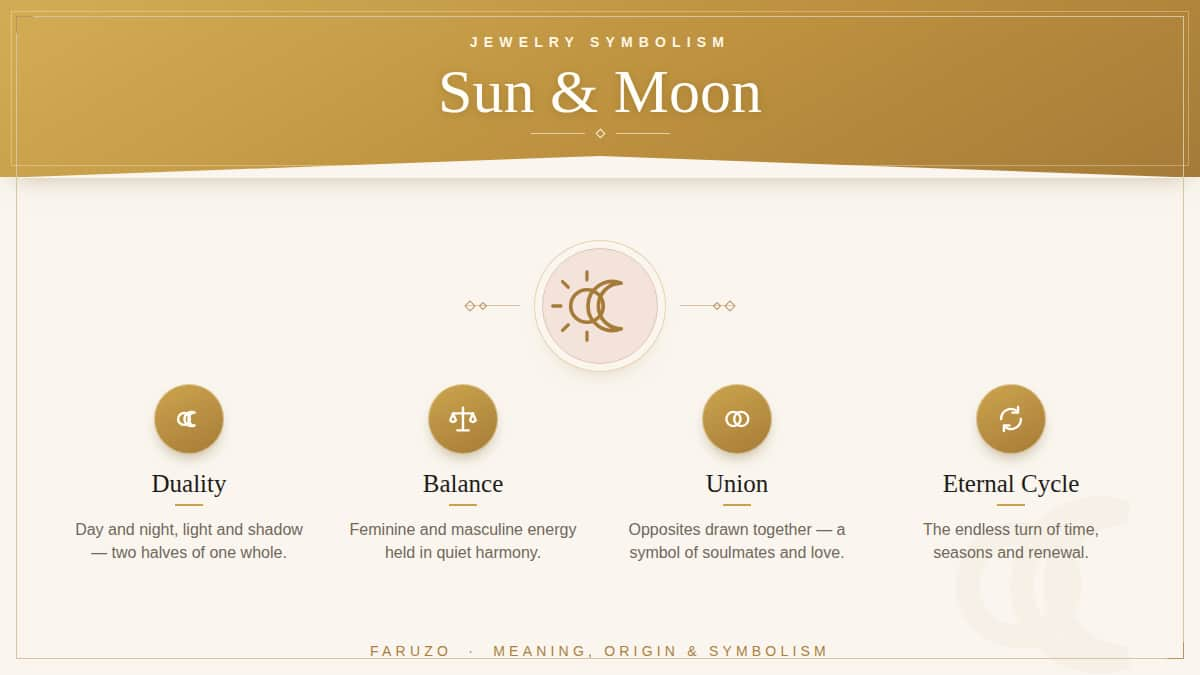
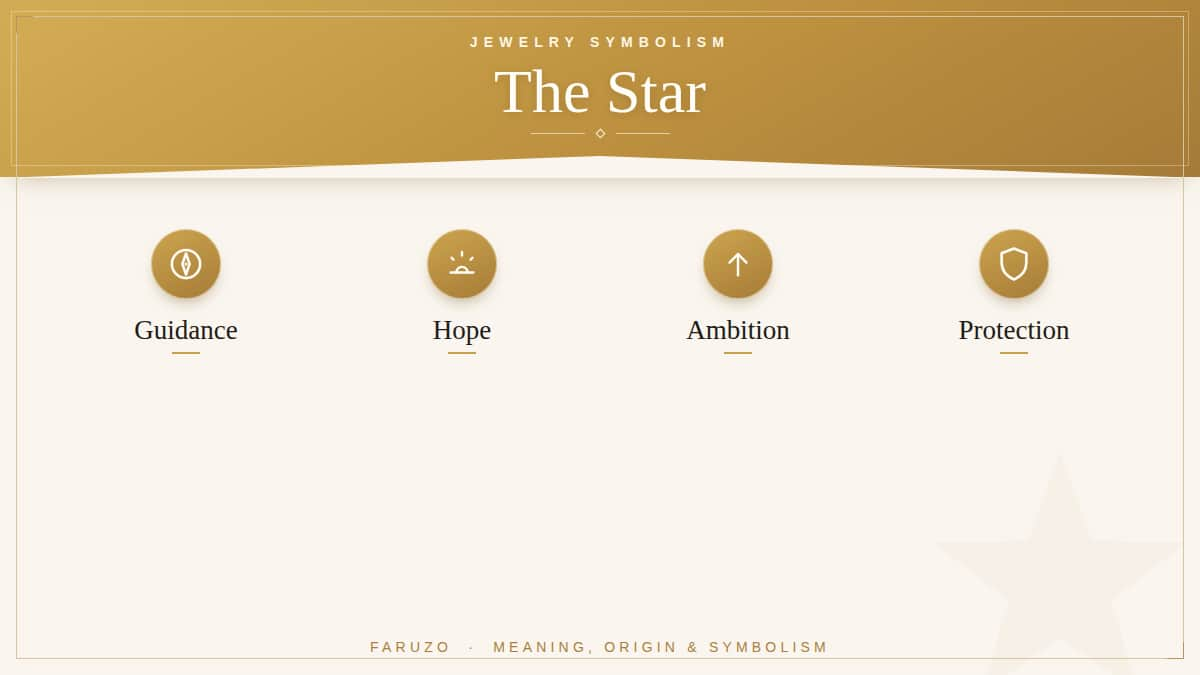
From the sky above to the garden below, we have always read meaning into nature — the sun and moon, the stars that guide us, the butterfly that begins life again.

Common questions

Jewelry symbolism, answered

What is the most protective symbol in jewelry? +

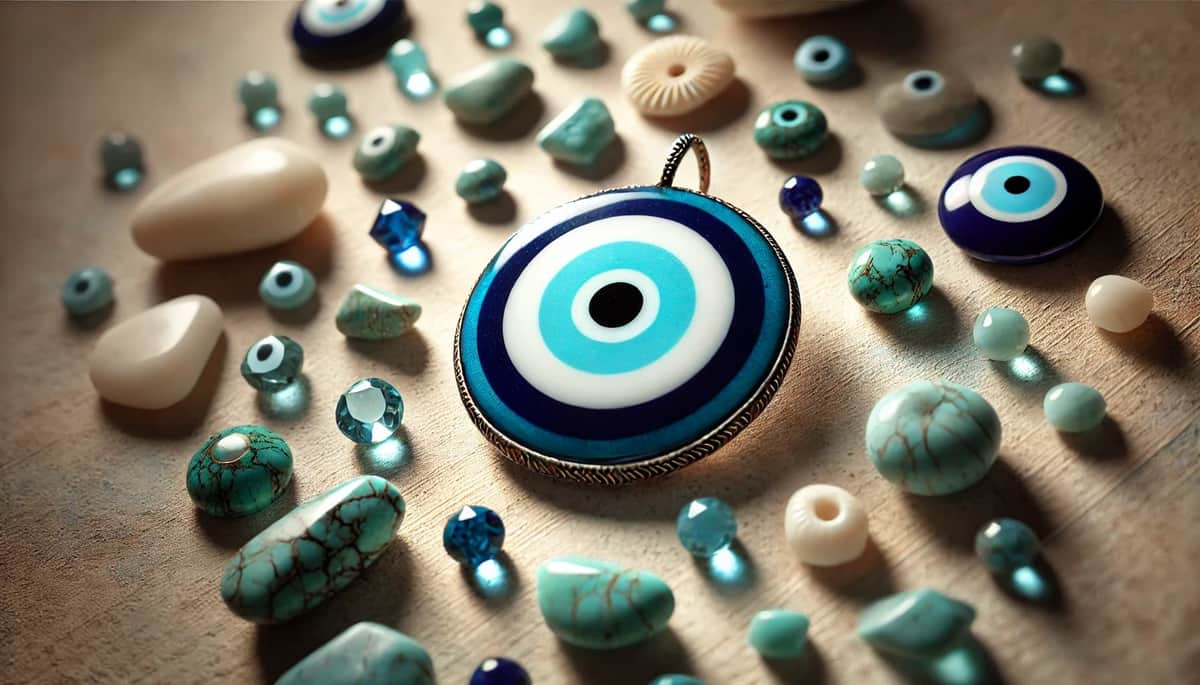
The evil eye and the hamsa are the oldest and most widespread protective symbols, worn across the Mediterranean, Middle East and beyond to deflect ill will and misfortune. The dream catcher guards in a gentler sense — filtering out bad dreams and letting good ones through.

Which jewelry symbol means love? +

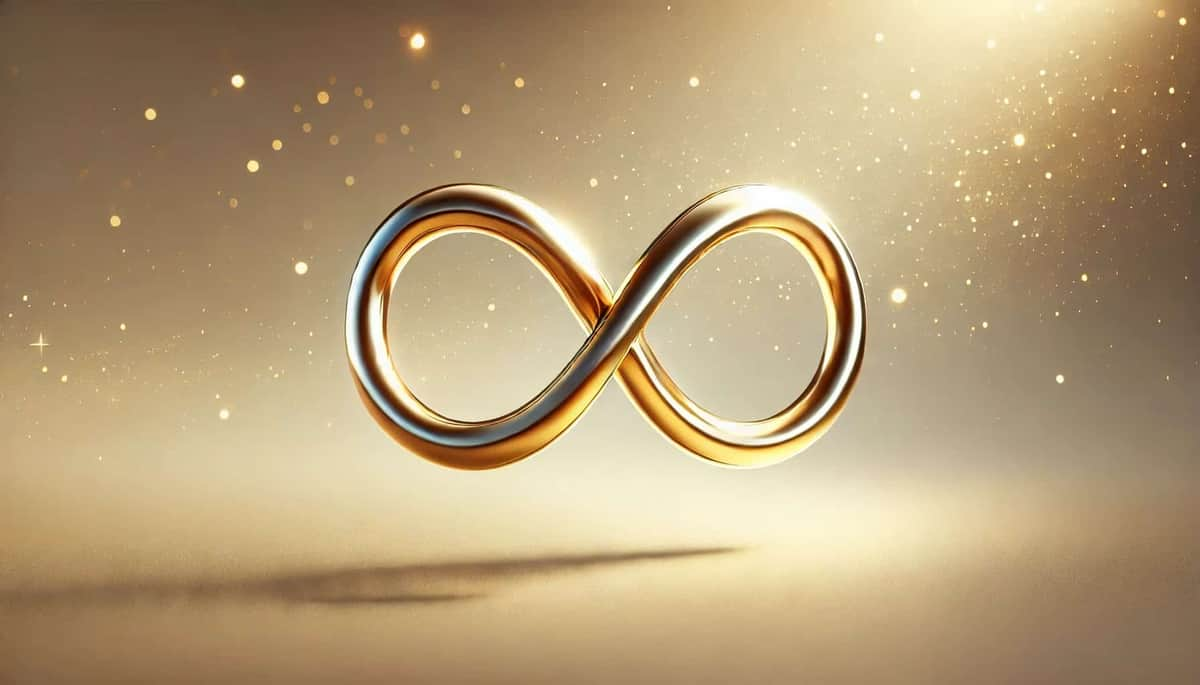
Several, and each says it differently. The heart is passion and affection; the claddagh — hands, heart and crown — means love, friendship and loyalty together; and the infinity loop speaks of a bond without end. For eternal love specifically, infinity is the most direct.

What is the luckiest symbol to wear? +

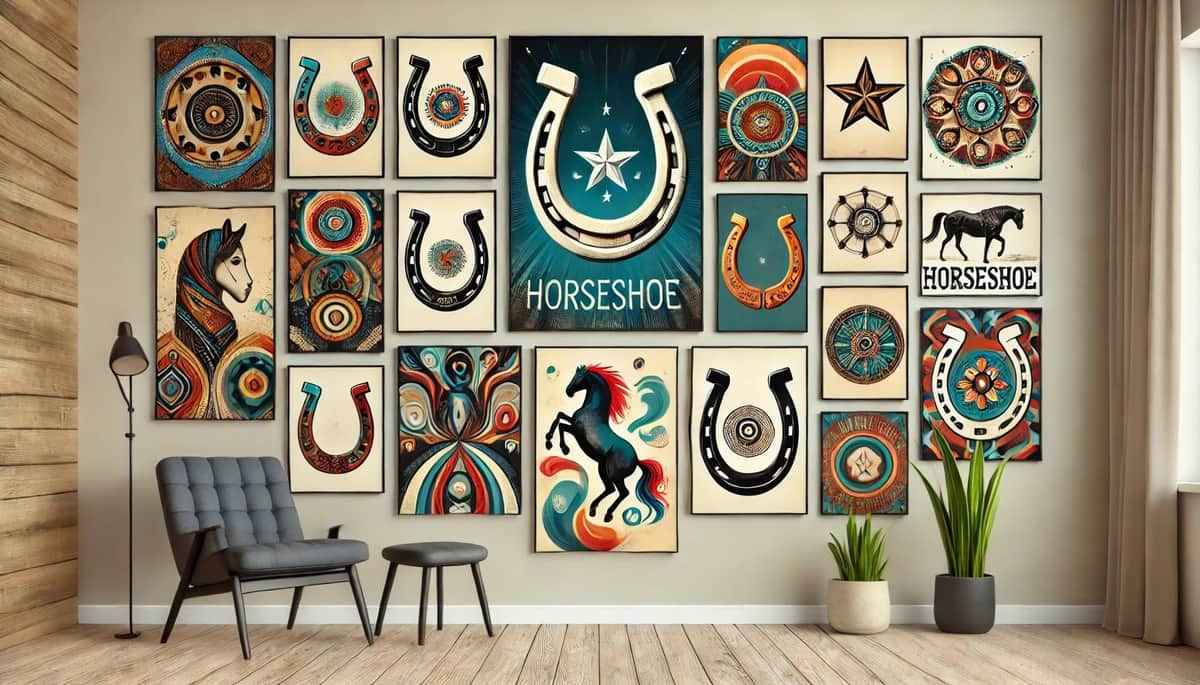
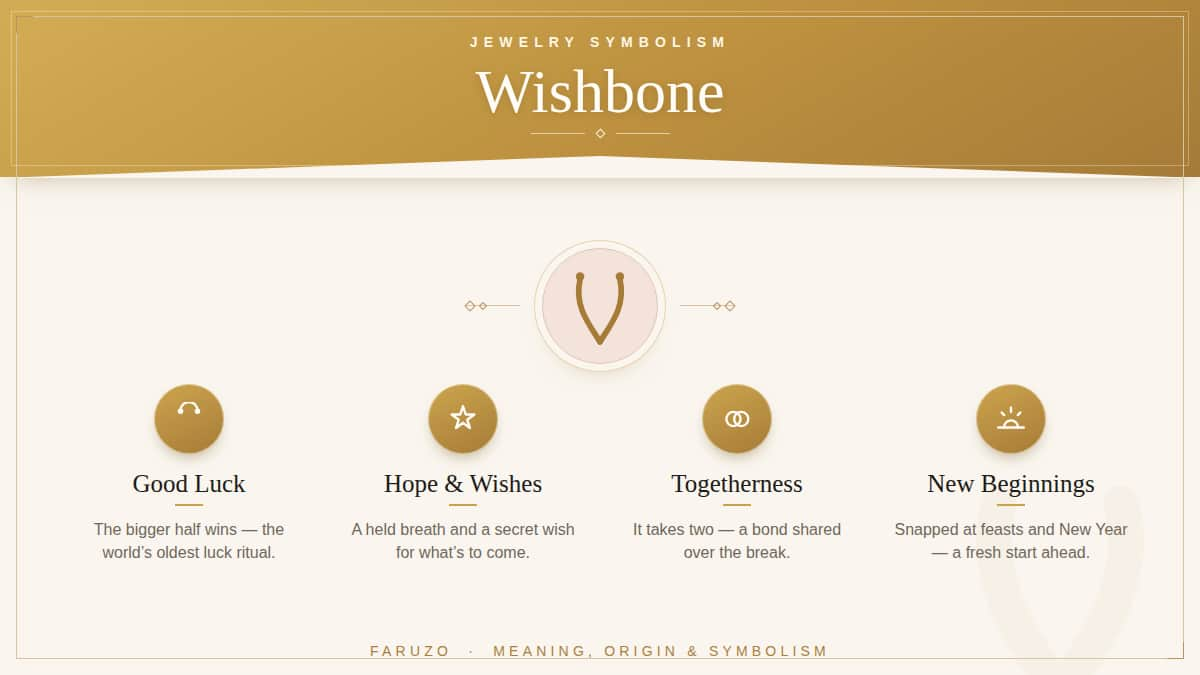
The horseshoe and the wishbone are the two classic Western good-luck charms. A horseshoe is traditionally hung (or worn) with its ends pointing up to "hold" the luck; the wishbone carries the hope of a wish granted. Both make popular gifts for new beginnings — a new home, a new job, or a fresh start.

Which symbol represents new beginnings or transformation? +

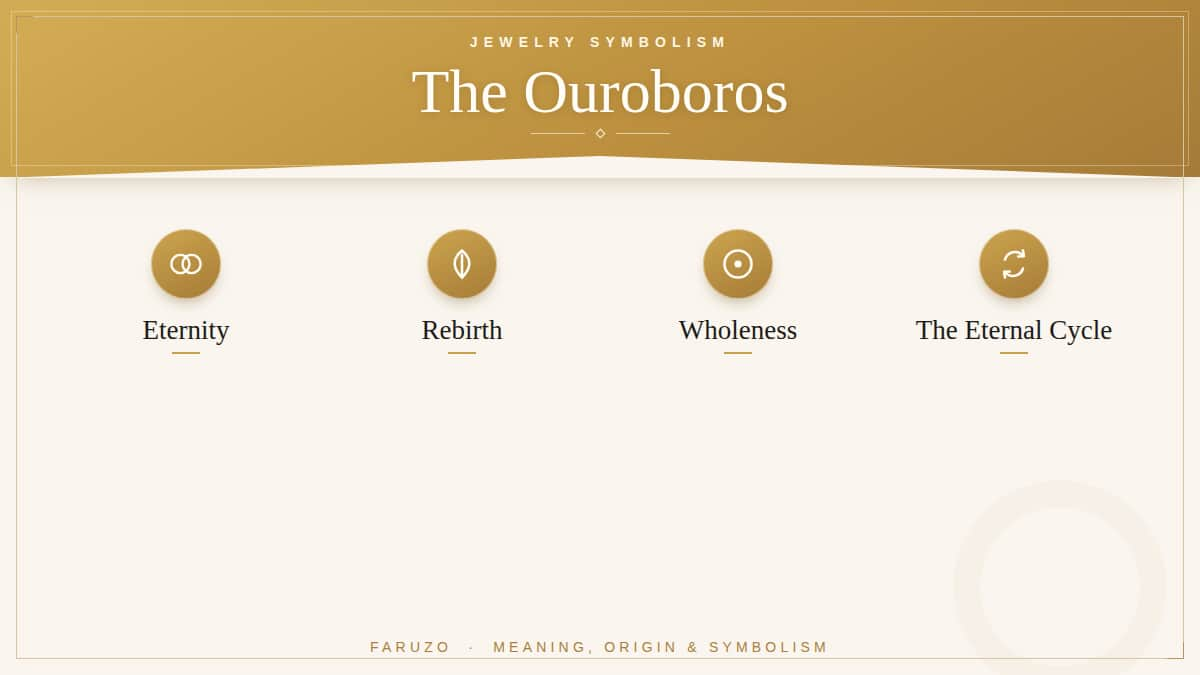
The butterfly is the classic emblem of transformation — a life visibly begun again. The ouroboros, the serpent eating its tail, means eternal renewal and cycles, while the tree of life represents growth, roots and continuity. Any of the three suits a recovery, a milestone, or a chapter turned.

Can you wear more than one symbol at once? +

Yes — and combining them is part of the tradition. Symbols stack meaning: an eye set into a hamsa’s palm, an anchor crossed with an infinity, a birthstone beside a protective charm. Layering symbols lets you tell a fuller story, and pairing a symbol with a name or date is what turns a charm into a personal keepsake.

How do I choose a symbol that actually means something to me? +

Start with the intention rather than the design. Decide what you want the piece to carry — protection, luck, love, faith, or renewal — and let that narrow the field, then read the individual meanings to find the one that fits. The most enduring symbolic jewelry is chosen for a reason and often for a specific person, not picked for looks alone.

Wear what you believe in

Make the symbol yours

Every FARUZO piece is hand-finished and made to order in premium gold, rose gold and silver. Choose a symbol that means something — and wear it every day.

Keep exploring

Looking for the meaning of a name?

Symbols aren't the only thing we carry. Discover the origin and meaning behind any first name — then wear it, hand-engraved.

Explore name meanings A–Z