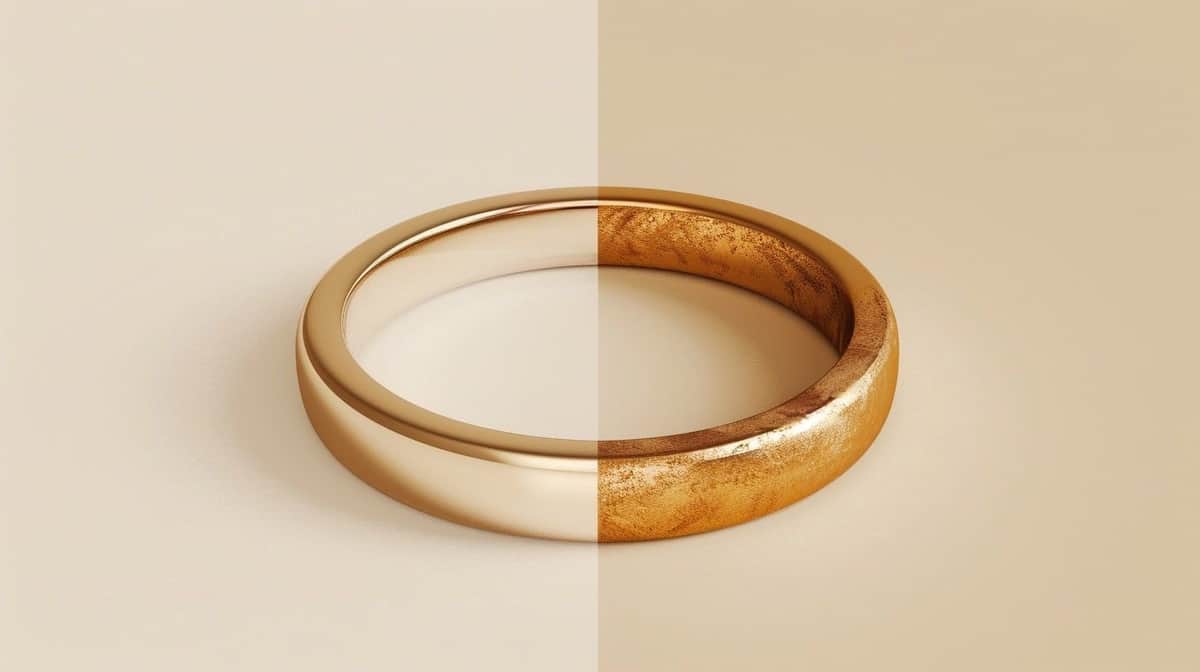
Imagine slipping on a gorgeous gold ring... only to find out months later that it’s starting to fade, revealing a different metal underneath.
Was it fake? Was it cheap?
No—chances are, it was electroplated.
Electroplating isn’t about faking something—it’s about giving jewelry a boost:
More beauty. More brilliance. Sometimes, more protection.
And if you love jewelry (especially beautiful things like personalized jewelry), knowing a little about electroplating can help you shop smarter—and keep your pieces looking stunning longer.
Let’s break it down simply, stylishly, and in a way that actually makes sense when you're standing in front of a jewelry case.
⚡ What Is Electroplating, Really? (No Boring Science Talk)
At its core, electroplating is exactly what it sounds like:
A thin layer of one metal is "plated" onto the surface of another using electricity.
Here’s how it works, in human language:
- You start with a base item, usually made of a less expensive or different metal (like silver, copper, or even brass).
- The item is dipped into a solution containing particles of the precious metal you want (like gold, rhodium, or silver).
- An electric current is passed through, causing the precious metal to bond onto the surface in an ultra-thin, even layer.
The result?
Your jewelry looks like it's made entirely of a luxurious metal—without the sky-high price tag.
🎯 Fun fact:
That stunning gold shine on your affordable chain? It’s probably gold electroplating doing its magic.
🛠️ How Electroplating Works (In Simple, Real Terms)
Let’s ditch the textbook explanation for a second.
Picture a jewelry maker like a painter—and electroplating is their best brush:
- They want your piece to look pure gold, platinum, or rose gold.
- But solid gold is expensive—and heavy.
- Instead of making the entire piece from solid gold, they build it from a strong, affordable base metal... then finish it with a beautiful skin of real gold.
And it’s not just about saving money.
Electroplating can also protect jewelry from tarnishing, corrosion, and everyday wear.
In short:
Electroplating lets you wear something beautiful, real, and affordable—all at once.

💎 Why Jewelry Is Electroplated (And Why You Should Care)
It’s not a scam.
Electroplating is a smart, intentional choice—and when done well, it means you get gorgeous, durable jewelry without needing a second mortgage.
Here’s why jewelers (and smart buyers) love it:
➔ 1. Cost Efficiency
- Solid gold jewelry is stunning... but also outrageously expensive.
- Electroplated jewelry gives you the real gold look—for a fraction of the price.
- It makes luxury accessible (and lets you save your budget for a custom necklace or even a vacation).
➔ 2. Boosting Appearance
- A well-done electroplating job gives jewelry a mirror-like shine and color perfection.
- It hides imperfections in the base metal and creates a flawless surface.
➔ 3. Tarnish and Corrosion Protection
- Metals like copper and brass tarnish easily.
- Plating them with gold, rhodium, or platinum makes them last longer and stay brighter.
➔ 4. Creating Unique Colors
- Want rose gold? Yellow gold? Black rhodium?
- Electroplating makes it possible—without needing to find rare natural metals in those exact shades.
💍 Electroplated Jewelry vs Solid Metal Jewelry (What You’re Really Choosing)
If you’re standing there wondering:
"Should I buy electroplated jewelry or save up for solid gold?"
You’re asking the right question.
Here’s the honest, real-world breakdown:
✨ Electroplated Jewelry
Pros:
- Much more affordable
- Real metal surface (you're not wearing plastic)
- Lets you wear trendy or bold styles without a huge investment
Cons:
- The plating will wear off over time (how fast depends on quality + how you wear it)
- Needs more careful maintenance (avoid harsh soaps, rough cleaning, sweaty workouts)
✨ Solid Metal Jewelry
Pros:
- Lasts forever if cared for
- Can be polished, resized, and handed down
- Higher resale value
Cons:
- Expensive (especially for larger or heavier pieces)
- Heavier feel, which not everyone loves
🎯 Real Talk:
If you’re buying a forever piece—like a wedding ring or heirloom bracelet—solid gold or platinum makes sense.
But if you’re buying something fun, like layered chains, bold statement earrings, or everyday fashion rings?
Electroplating can give you the look without the guilt.
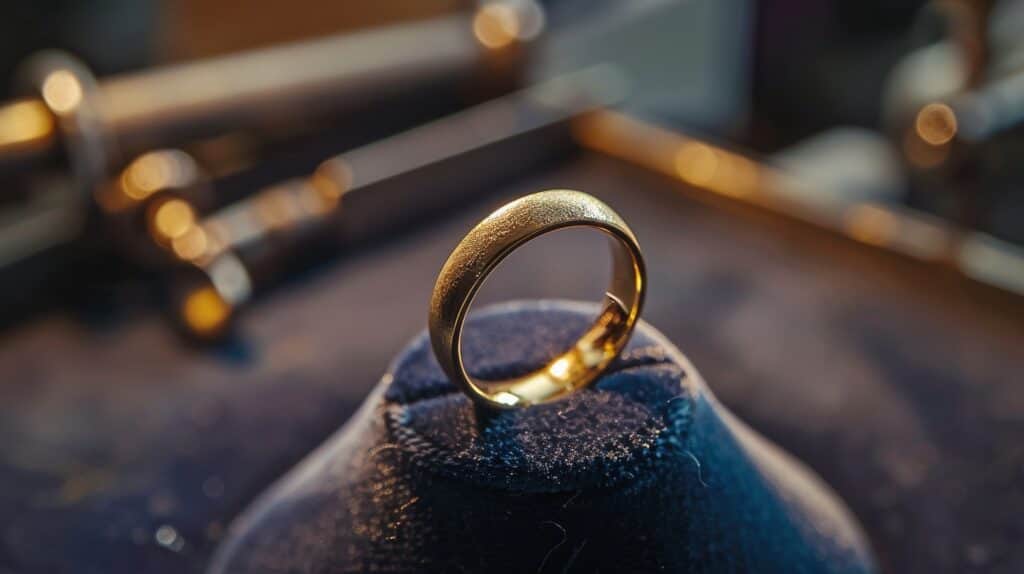
🛠️ Common Metals Used for Electroplating Jewelry
Electroplating isn't one-size-fits-all. Different metals are used for different effects:
➔ Gold Electroplating
- Warm, classic, luxurious.
- The most popular plating choice for rings, chains, earrings, and even personalized jewelry.
- Available in yellow, rose, and even white gold tones.
➔ Rhodium Plating
- Super bright, silvery-white finish.
- Often used on white gold jewelry to give it that crisp, icy look.
- Also adds scratch resistance.
➔ Silver Plating
- Affordable, classic, and clean.
- Best for fashion jewelry and lightweight pieces.
- Tarnishes over time but can be re-plated easily.
🛍️ Should You Buy Electroplated Jewelry? (Real Buyer Advice)
Short answer: Yes—but choose smartly.
Electroplated jewelry is perfect for:
- Trendy designs you love now but might outgrow later
- Statement pieces you don't wear daily
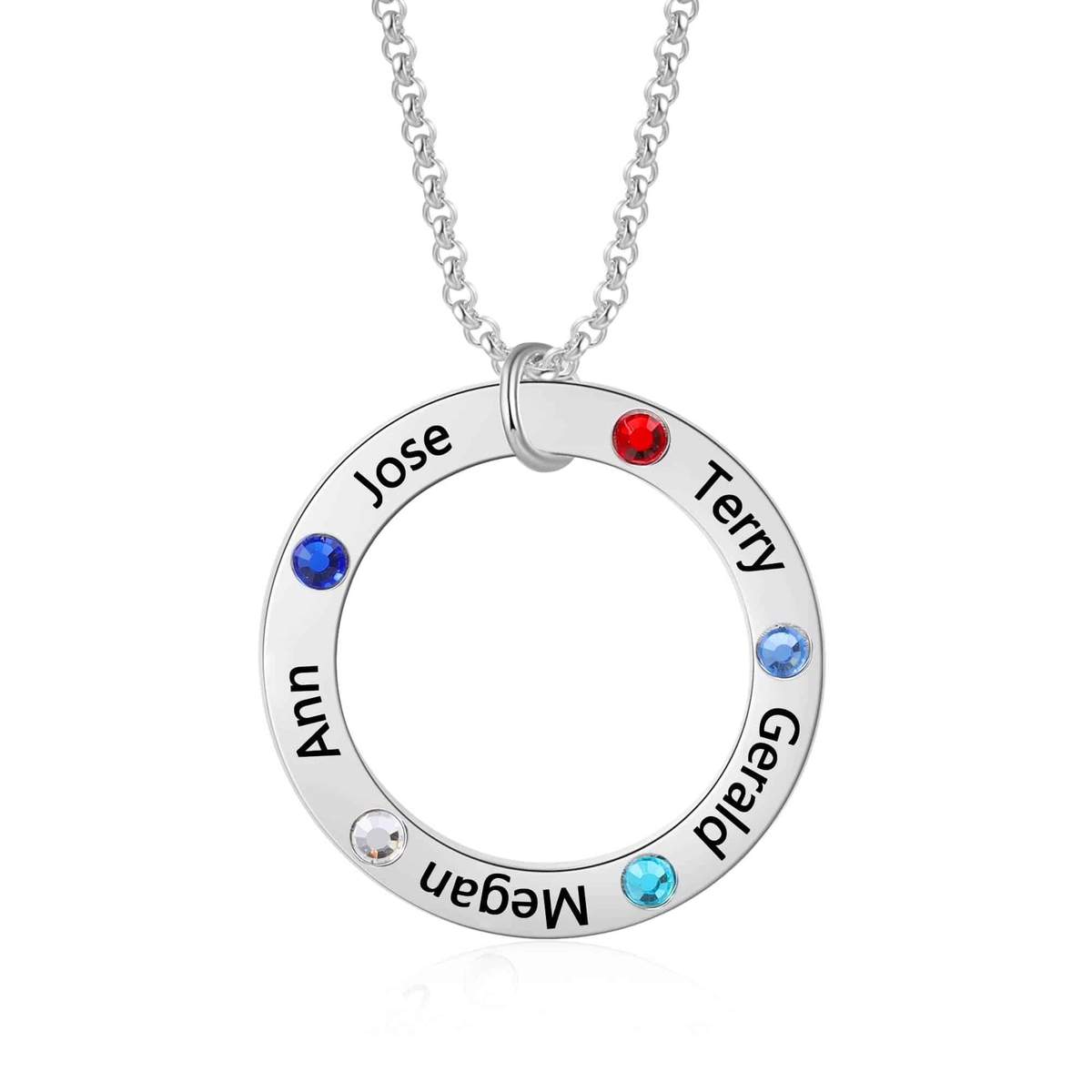
- Gifts (like custom necklaces or initial pendants) that feel luxurious but don't break your budget
- Everyday accessories you want to switch up often
Just know this:
- Plate will eventually wear down, especially on rings and bracelets (which get lots of friction).
- When it happens, you can often get your jewelry re-plated by a jeweler for a small fee—giving it new life.
Frequently Asked Questions
Is electroplated gold real gold?
Yes, the gold on the surface is genuine precious metal, not paint or plastic. The difference is that it's an ultra-thin layer bonded over a base metal like brass, copper, or silver, rather than the piece being solid gold throughout. That's what gives you the real gold look at a fraction of the cost.
How long does gold electroplating last before it wears off?
There's no fixed expiration date. It depends on the quality of the plating and how the piece is worn. Rings and bracelets fade fastest because they rub against skin, surfaces, and each other, while earrings and pendants that see less friction hold their finish much longer.
Can electroplated jewelry be re-plated once it fades?
Yes. When the plating wears thin, a jeweler can usually re-plate the piece for a small fee, giving it a fresh, like-new finish. This is one of the perks of electroplated jewelry, so a worn chain or ring doesn't have to be retired.
How should I care for electroplated jewelry to make it last?
Keep it away from harsh soaps, rough cleaning, and sweaty workouts, all of which speed up wear on the thin plated layer. Gentle handling and storing pieces separately go a long way. Because friction is the enemy, take extra care with rings and bracelets.
What's the difference between rhodium plating and gold plating?
They create different looks. Gold plating gives a warm, classic finish in yellow, rose, or white gold tones, while rhodium plating gives a bright, silvery-white finish often used on white gold. Rhodium also adds scratch resistance, which is why it's popular for that crisp, icy look.