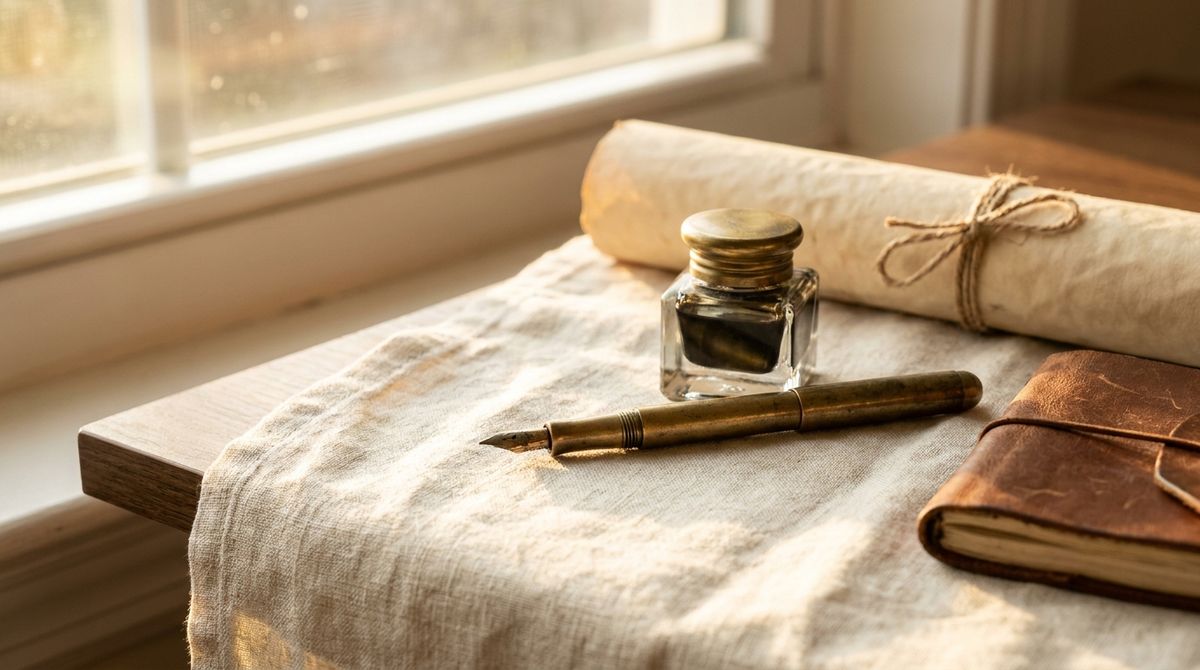
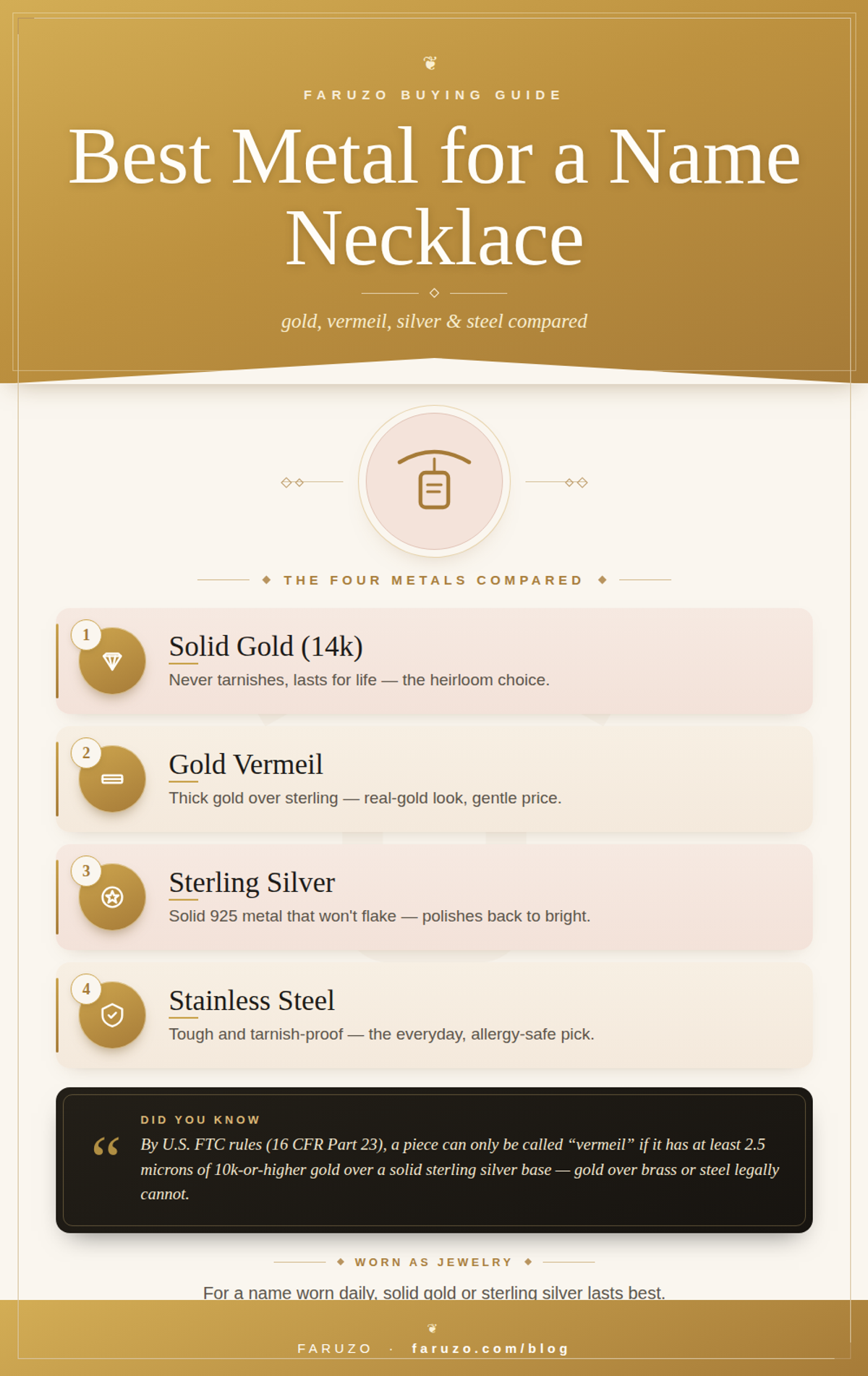
You have picked the name, the font, the length. The last question quietly decides how long the piece will last: which metal? Across the market, name necklaces come in a handful of real options — solid gold, sterling silver, gold vermeil, and plated finishes over a harder base like stainless steel — and each behaves differently against skin, budget, and daily wear. Here is how a jeweler actually chooses between them, and what FARUZO's own name necklaces are actually made of.
The short answer
For a name necklace worn daily against the skin, two metals win on staying power: solid gold if the budget allows, and sterling silver if it doesn't. Both are solid all the way through, so there is no thin gold layer to wear off. Everything else is a trade-off between that permanence and a lower price — worth understanding before you choose.
Solid gold: the forever choice
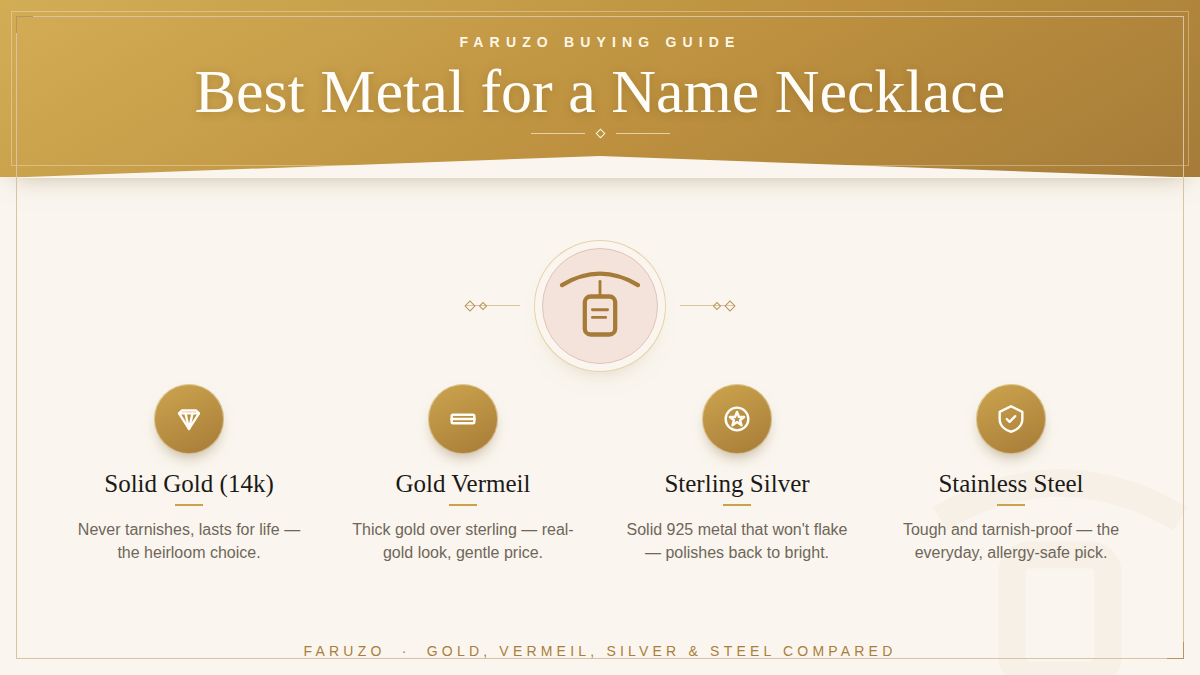
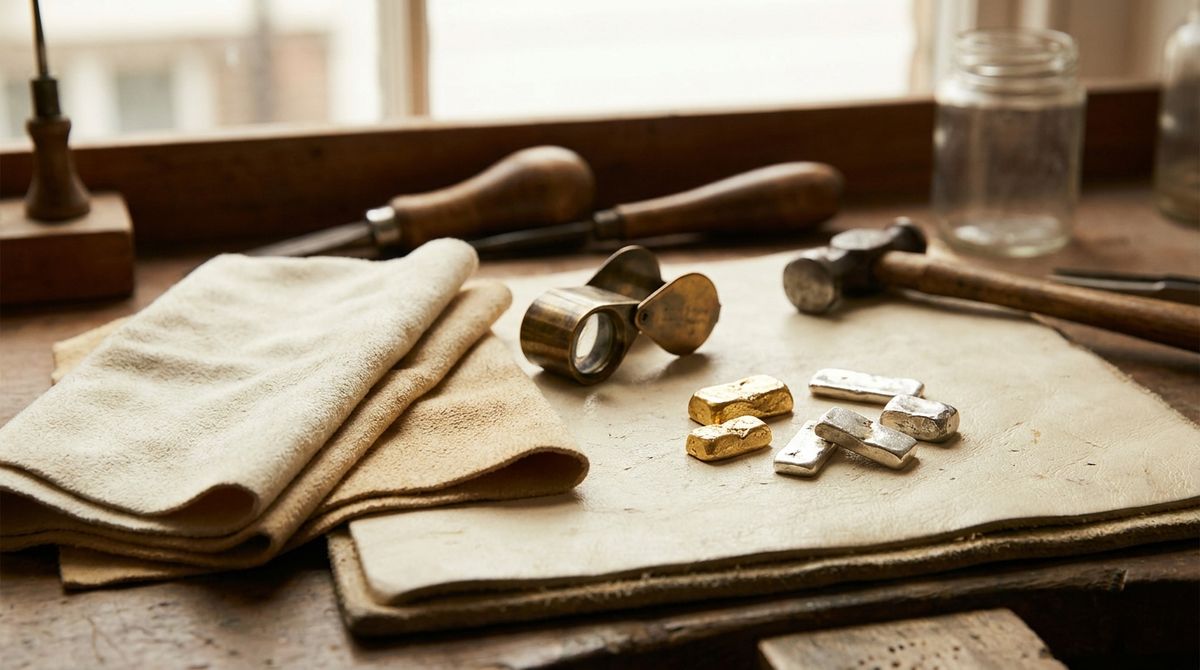
Solid gold never tarnishes, never flakes, and never turns your skin green. A 14k name necklace is gold all the way through, alloyed with a little copper and silver for strength. That is why it can be worn in the shower, at the gym, and to sleep for years without changing colour — the name stays as crisp as the day it was engraved.
The number before the k is purity: 14k is 58.5% pure gold, the sweet spot most fine jewelers use because it resists scratches better than softer 18k while still reading as rich, warm gold. If you want the full breakdown, see our guide to gold karats. The catch is simply cost: solid gold is the most expensive option, which is exactly why the next three exist.
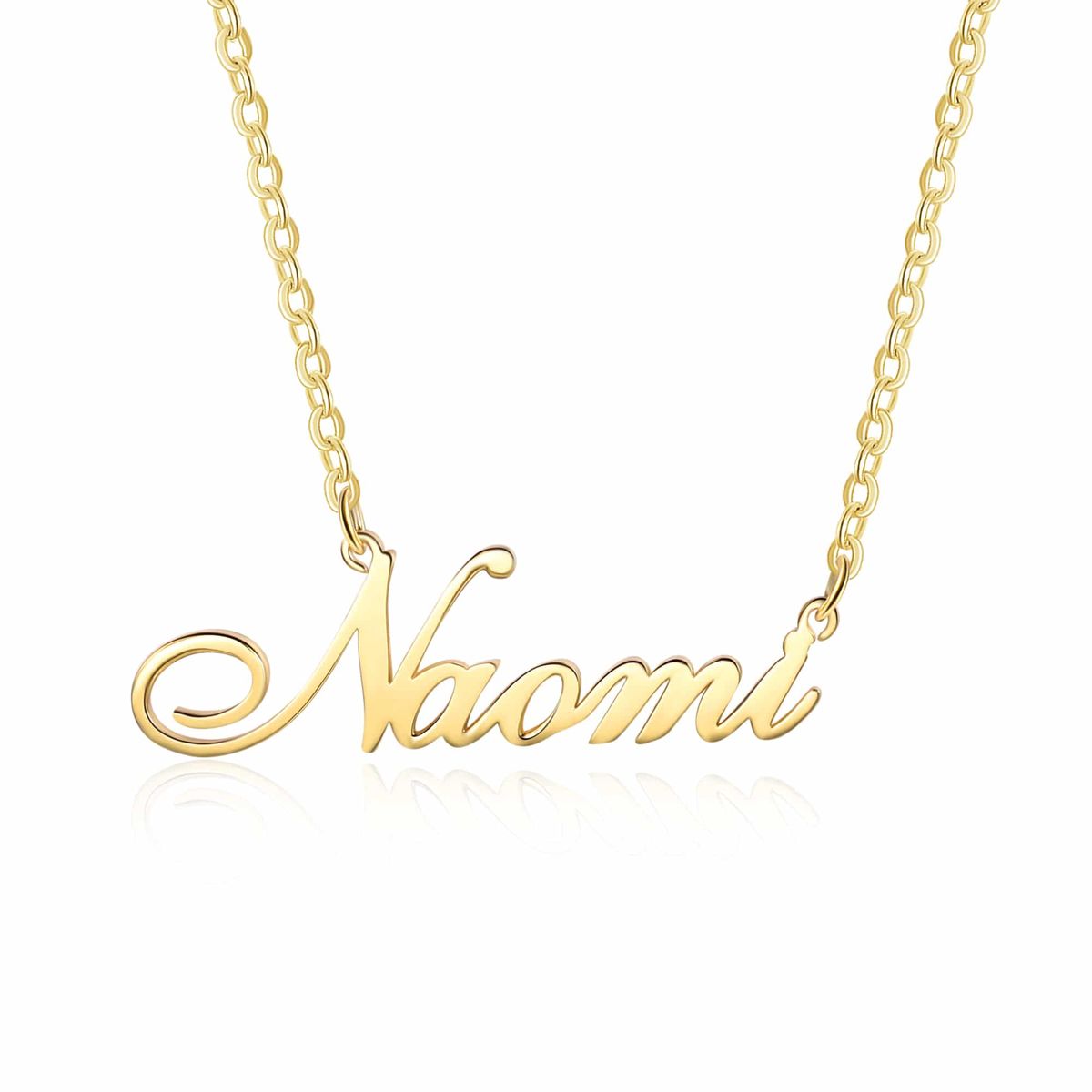
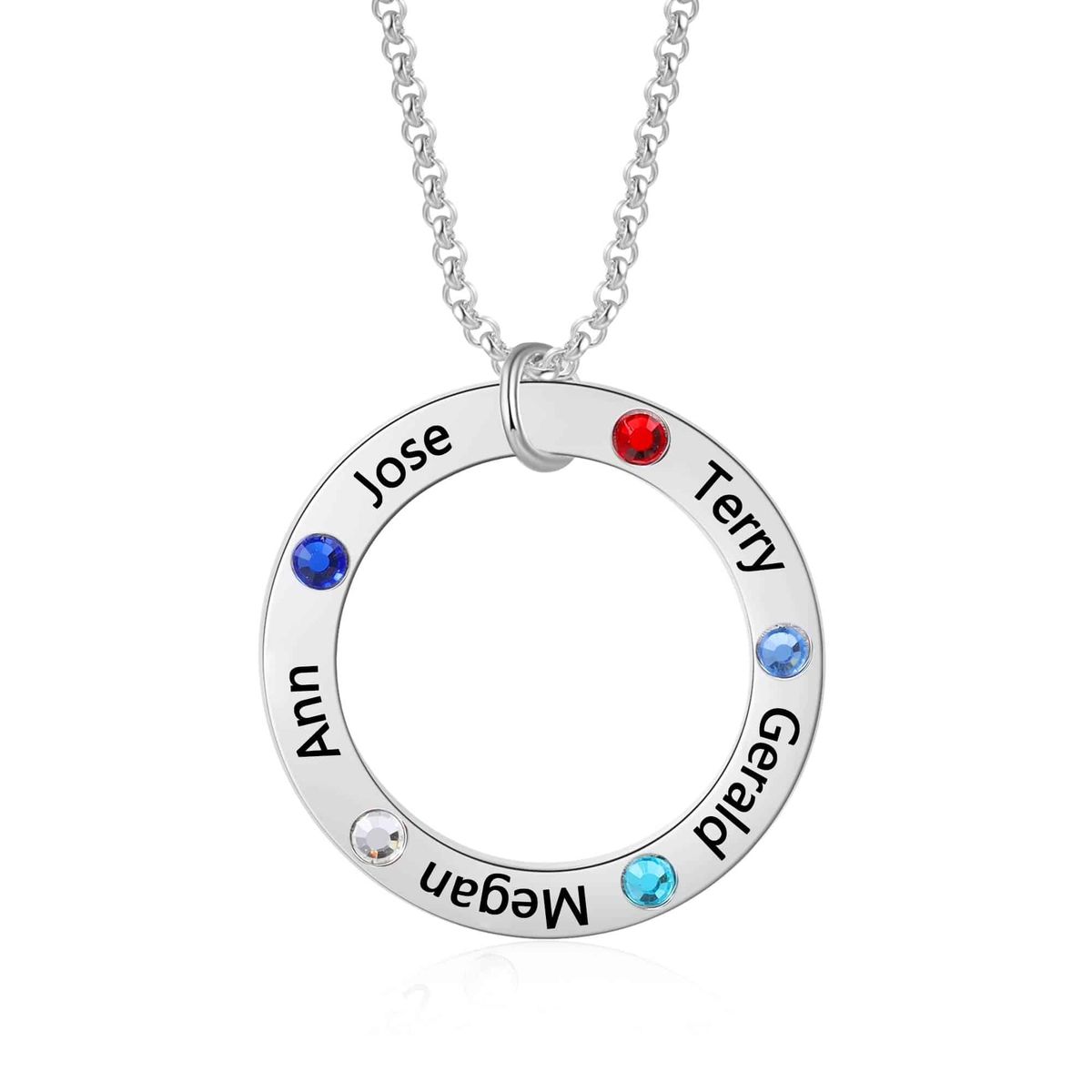
If you're comparing precious metal against a hard-wearing plated finish, here's where FARUZO lands. Our classic nameplate necklace is 316L stainless steel with a gold-plated, rose gold-plated, or silver-tone plated finish — not solid or sterling — built for daily wear rather than as a precious-metal heirloom.
Gold vermeil: real gold, gentler price
Vermeil (say it “ver-MAY”) is the smartest middle ground, and it is more than marketing — it is a legal standard. It means a thick layer of real gold bonded over solid sterling silver, so you get the warmth and colour of gold at a fraction of the cost, with a precious-metal base instead of cheap brass underneath.
What makes it “vermeil” and not just plated: By U.S. Federal Trade Commission rules (16 CFR Part 23), a piece can only be called vermeil if it has at least 2.5 microns of 10k-or-higher gold over a sterling silver base. Gold over brass, copper or steel legally cannot use the word — no matter how thick the plating. That single rule is why vermeil outlasts ordinary gold-plated jewelry.
The difference between the three gold finishes trips up almost every shopper, so we broke it down in detail in gold-plated vs. gold-filled vs. gold vermeil — worth two minutes before you buy anything labelled simply “gold.”
Sterling silver: solid, bright, and easy to love
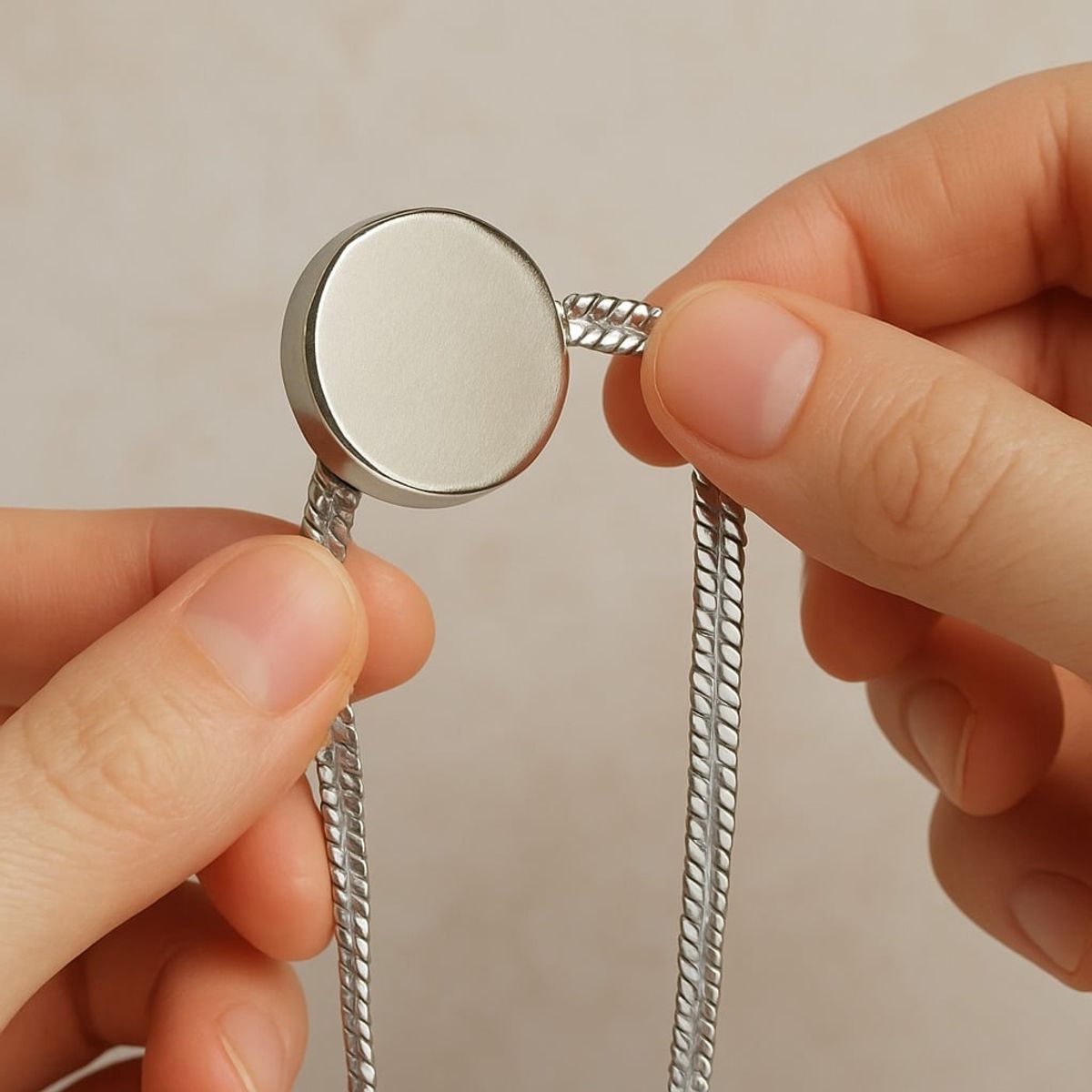
Sterling silver is 92.5% pure silver (that is what the “925” stamp means), mixed with a little copper for durability. Like solid gold, it is a solid metal, not a coating — so it will never flake or peel, and a name engraved in it stays sharp. It suits cool skin tones beautifully and pairs with everything.
Its one quirk: silver tarnishes. Exposed to air and skin oils it can dull to a soft grey over time — but unlike worn-off plating, tarnish is only on the surface and polishes straight back to bright in seconds. We cover why it happens, and how to stop it, in does sterling silver tarnish. For a durable, everyday name necklace on a real budget, sterling is hard to beat.
Stainless steel: the tough, allergy-safe everyday option
Stainless steel is the workhorse. It does not tarnish, does not rust, and shrugs off water, sweat and daily wear better than any plated metal. Because quality steel is nickel-safe for most people, it is a common pick for sensitive skin and for a necklace that genuinely never comes off. The trade-offs are aesthetic: steel has a cooler, more industrial shine than precious metal, and it is so hard that intricate script engraving is tougher to render as finely as it is in gold or silver.
How to choose the right metal for you
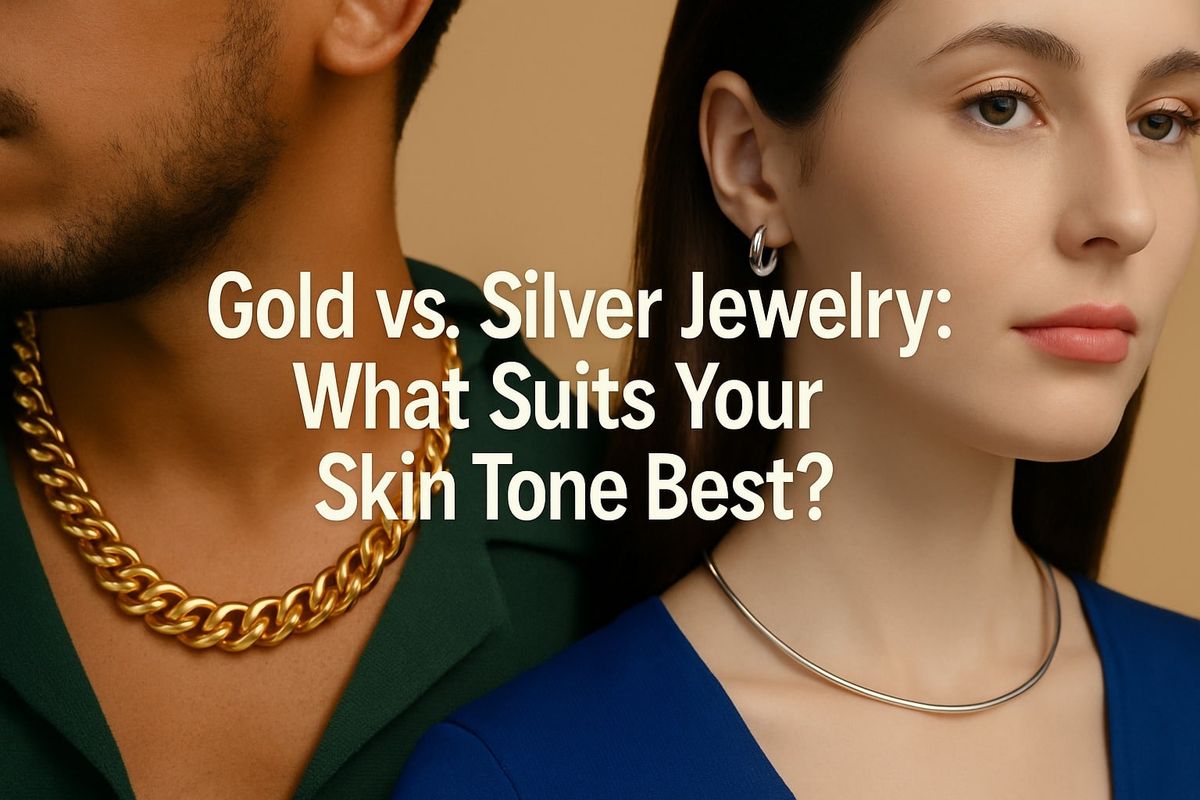
Match the metal to your skin tone. Warm, olive and deep skin tones tend to glow next to gold and vermeil; cooler, pink-toned skin often looks crispest in silver. It is a preference, not a rule.
If you are torn between the two colours, our guide to whether to wear gold or silver walks through it with real examples.
Match the metal to how it will be worn. A piece that never leaves the skin — showers, workouts, sleep — wants solid gold, sterling silver or steel. A special-occasion necklace can happily be vermeil.
Match the metal to sensitivity. For reactive skin, the base metal is what matters: 316L stainless steel is nickel-safe, which is what actually prevents the green marks and irritation an unlabeled alloy over brass causes.
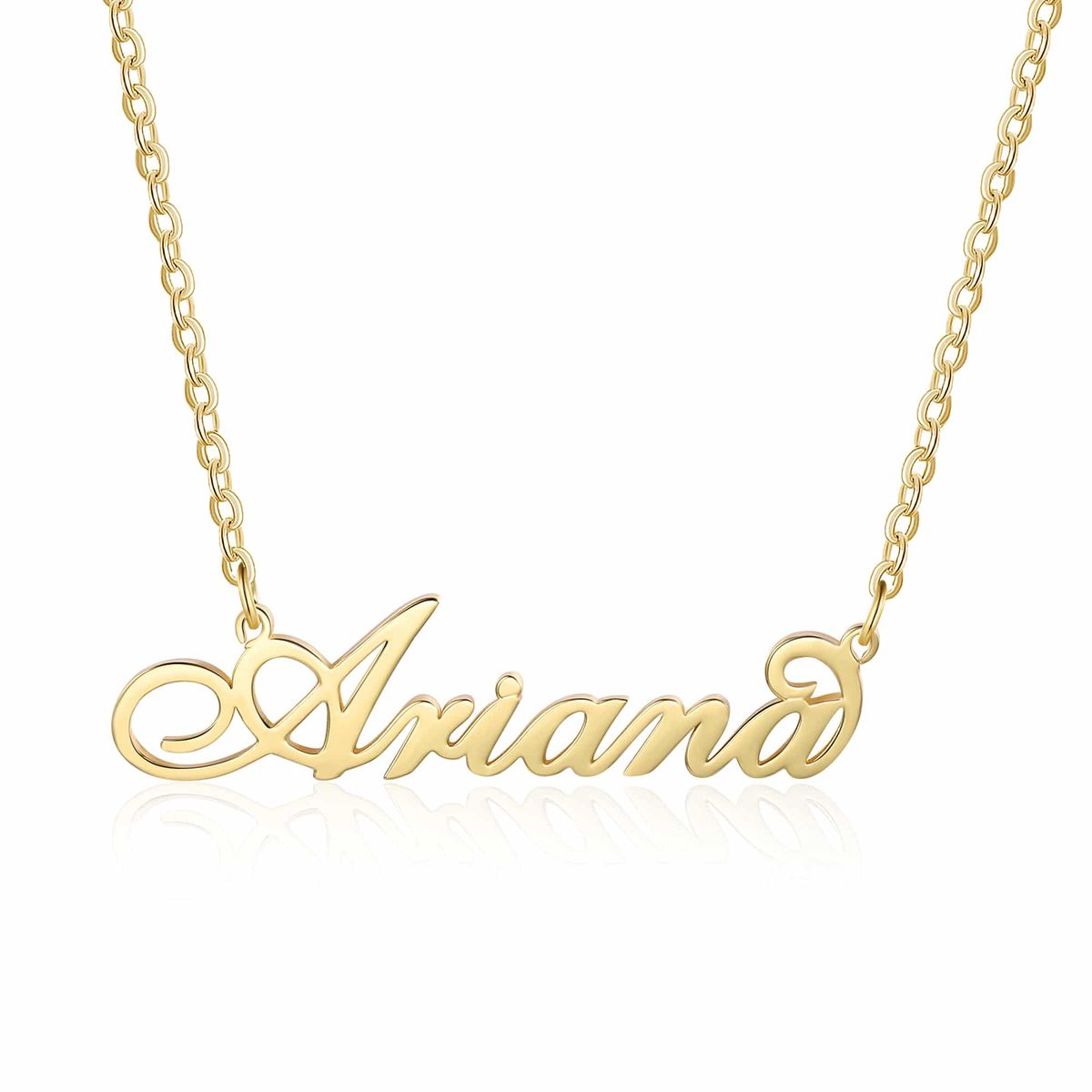
Whichever look you land on, the style carries the name: a flowing script name necklace reads as delicate and romantic, while a bold block font makes more of a statement. Every FARUZO name necklace is offered across a gold-plated, rose gold-plated, and silver-tone plated finish — all 316L stainless steel underneath — so you can pick the look and the tone independently.
Frequently Asked Questions
What is the best metal for a name necklace?
For daily wear, solid 14k gold is the most durable, with sterling silver the best value that still won't flake. Gold vermeil is the smartest middle ground — real gold over sterling silver — and stainless steel is the toughest, most allergy-friendly everyday option. The “best” one depends on your budget, skin and how hard the piece will be worn.
Do gold name necklaces tarnish?
Solid gold does not tarnish at all. Gold-plated pieces can, because the thin gold layer gradually wears down to reveal the base metal underneath — which is why the quality of that base matters. Gold vermeil, with its thicker gold over a sterling base, resists this far longer than ordinary plating.
Which metal is best for sensitive skin?
Solid gold, sterling silver, and gold finishes over a sterling base (such as vermeil) are the gentlest choices, along with quality nickel-safe stainless steel. Green marks and irritation usually come from cheap alloys or brass bases, not from precious metals.
Is gold vermeil better than gold plated?
Yes, meaningfully. Both have a gold layer over a base metal, but vermeil is legally required to use at least 2.5 microns of 10k+ gold over solid sterling silver, while “gold plated” has no minimum thickness and often sits over brass. Vermeil looks the same day one but lasts far longer.
How long does a name necklace last?
With reasonable care, solid gold and sterling silver name necklaces last for decades — effectively a lifetime. Gold vermeil worn thoughtfully lasts many years, and stainless steel is nearly maintenance-free. Plated pieces over cheap bases are the ones that fade within a year or two.
What metal does FARUZO actually use for its name necklaces?
316L stainless steel with a gold-plated, rose gold-plated, or silver-tone plated finish — nickel-safe and built to survive daily wear, water and sweat. Not solid gold, not sterling silver, not vermeil. It won't develop the sterling-silver tarnish or the thin-plating wear-through described above, because the base metal underneath the plating is steel, not brass or silver.