A couples necklace is any piece designed to be worn — or split and worn — by two people as a visible sign of the relationship between them: romantic partners, best friends, a parent and child, or siblings. Unlike a single name necklace, which is built around one wearer, a couples necklace is built around a pair, and that changes almost every decision that goes into choosing one: what shape it takes, what gets engraved, and how two different necks or wrists end up wearing pieces that are supposed to match.
What Counts as a Couples Necklace?
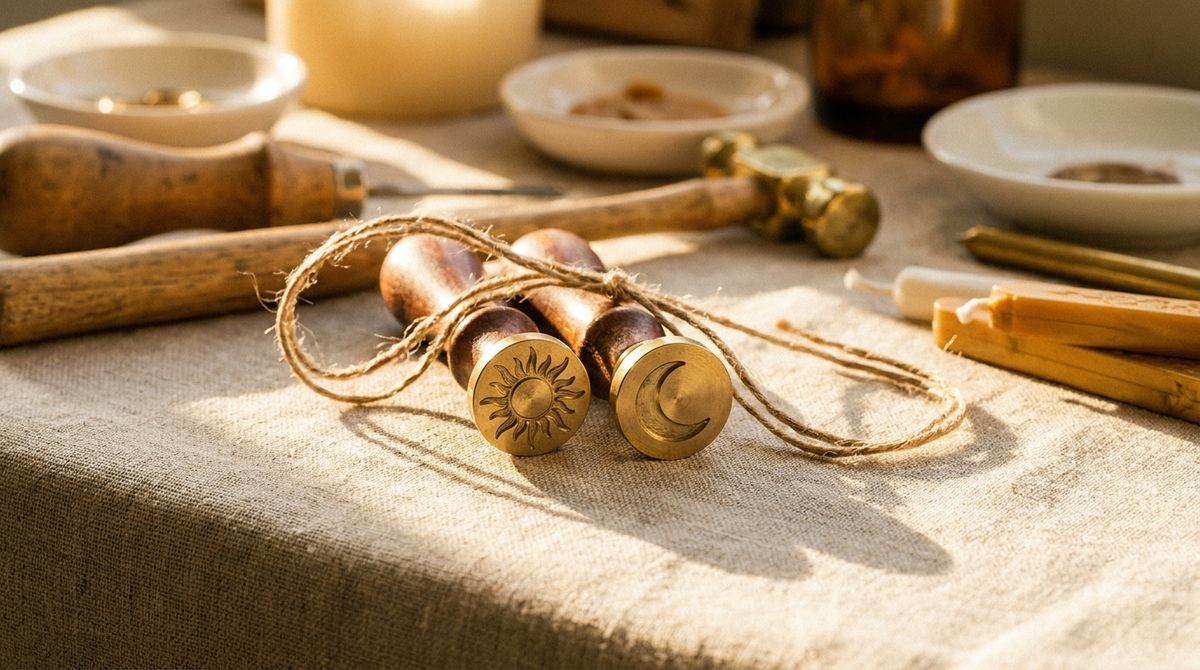
The category covers more ground than most shoppers expect going in. It includes identical matching pendants worn by both people, a single design split into two physical halves (a broken heart, a sun and moon, or two puzzle pieces that only look complete side by side), two different necklaces that share a theme or metal rather than a shape, and a single necklace engraved with both names or both sets of initials, worn by just one person as a reminder of the other. The common thread isn't the shape — it's that the piece is built to represent two people, not one.
Matching Pair vs. Split Pendant vs. Two-Name Necklace vs. His-and-Hers
These four structures get shopped against each other constantly, and the difference matters more than it looks like at first, since it decides whether you're buying one necklace or two, and whether both people end up wearing a piece or just one of them does.
- Matching pair — two separate necklaces, identical or near-identical in design, one worn by each person. Each person wears their own complete piece; neither half looks incomplete without the other. The easiest option to resize independently, since each necklace can use a different chain length.
- Split pendant — a single design, physically cut in two (a heart, a sun/moon, an infinity symbol), with each half worn separately. Visually, neither half reads as "finished" on its own — the design is built to look intentionally incomplete until the two are placed together, which is the whole appeal but also the main limitation: it only really works as a set.
- Two-name necklace — one physical necklace, engraved or set with both names, initials, or a shared date. Usually worn by just one person (a parent wearing both kids' names, for example), though some couples each order their own copy engraved with both names.
- His-and-hers — two necklaces designed to coordinate rather than match exactly: similar metal and finish, but different shapes or sizes suited to how each person actually wants to wear it (a smaller pendant for one, a plain chain or tag for the other). Trades the obvious "we match" statement for something each person is more likely to wear daily.
Choosing Metal and Finish
FARUZO couples necklaces are plated over 316L stainless steel, which is nickel-safe and holds up to daily wear better than thin costume plating — relevant here specifically because a couples set usually gets worn constantly by two people with different skin chemistry, sweat levels, and routines, so durability differences show up faster than they would on an occasional-wear piece. Plated steel is a different material from gold vermeil (a gold layer over solid sterling silver) and from solid gold; it's not a lesser choice, just a different and more durable one for daily wear. For a fuller comparison of how the metal options differ, see what metal is best for a name necklace, which covers the same tradeoffs in more depth.
If the two of you want to coordinate rather than match exactly, it's fine — and common — to pick the same metal tone across two different styles, so the pieces read as a set even when the shapes don't match.
What to Engrave
A couples necklace generally carries one of a handful of things:
- Both names or initials — on one piece (a two-name necklace) or mirrored across a matching pair.
- A date — the day you met, got engaged, or married, usually in a compact numeric format.
- Coordinates — the latitude and longitude of where you met, got married, or another meaningful place.
- A shared word or phrase — short enough to stay legible on a smaller pendant.
For wording, spacing, and font choices in more depth, see our engraved necklace guide.
Sizing for Two Different People
A matching pair doesn't need to use the same chain length — in fact, it usually shouldn't. The two of you may have different neck sizes and different preferences for how high or low a pendant sits, and forcing both people onto one "matching" length is a common reason a couples necklace ends up looking right on one person and wrong on the other. Treat each necklace as its own sizing decision: measure each person's preferred length separately against their own collarbone rather than assuming one number fits both. Our necklace length guide walks through how to measure correctly. For a split pendant specifically, length matters less for "matching" purposes, since the two halves aren't meant to sit at identical heights on different bodies — just choose what's comfortable for each wearer.
Caring for a Couples Necklace
Two people wearing linked pieces usually means two different wear patterns, so it's worth each person following the same basics rather than assuming "if mine's fine, theirs is too":
- Wipe each piece with a soft, dry cloth after wear, rather than a harsh jewelry cleaning solution.
- Take necklaces off before swimming, showering, or exercising — chlorine, sweat, and prolonged moisture wear down plating faster than dry, everyday wear does.
- Store each piece separately, or hanging rather than tangled together in one dish — two chains left coiled together are more likely to knot and scratch each other than two stored apart.
If one piece has darkened faster than the other — common when one person showers or sweats more while wearing it — our guide to cleaning oxidized jewelry covers how to bring it back without damaging the plating.
Frequently Asked Questions
Do both necklaces in a couples set have to be identical?
No. A matching pair is usually identical or near-identical, but a his-and-hers set intentionally uses different shapes or sizes in the same metal and finish, so each person wears something suited to them while the set still reads as coordinated.
What's the difference between a split pendant and two separate matching necklaces?
A split pendant is one design physically cut into two pieces that only look complete together — each half looks intentionally unfinished on its own. Two matching necklaces are complete, independent pieces that simply share a design, so each one looks finished whether or not the other person is wearing theirs.
Can one person wear a couples necklace if the relationship ends?
Practically, yes — a plain chain or a non-specific pendant can keep being worn on its own. A piece engraved with both names, a shared date, or half of a split design is harder to repurpose, which is worth considering before choosing how literal the engraving gets.
Should we order the same chain length?
Not necessarily. Match the metal and style if you want the set to read as a pair, but size each chain to each person's own neck and preference — a length that sits well on one person can sit noticeably differently on someone with a different neck size or build.
What if the engraving or sizing isn't right after ordering?
Check the sizing and engraving details on the specific product listing before ordering, since chain length and engraving character limits vary by style. If something isn't right, returns are accepted within 90 days. Browse the current couples necklace collection to compare matching pairs, split pendants, and two-name styles side by side.