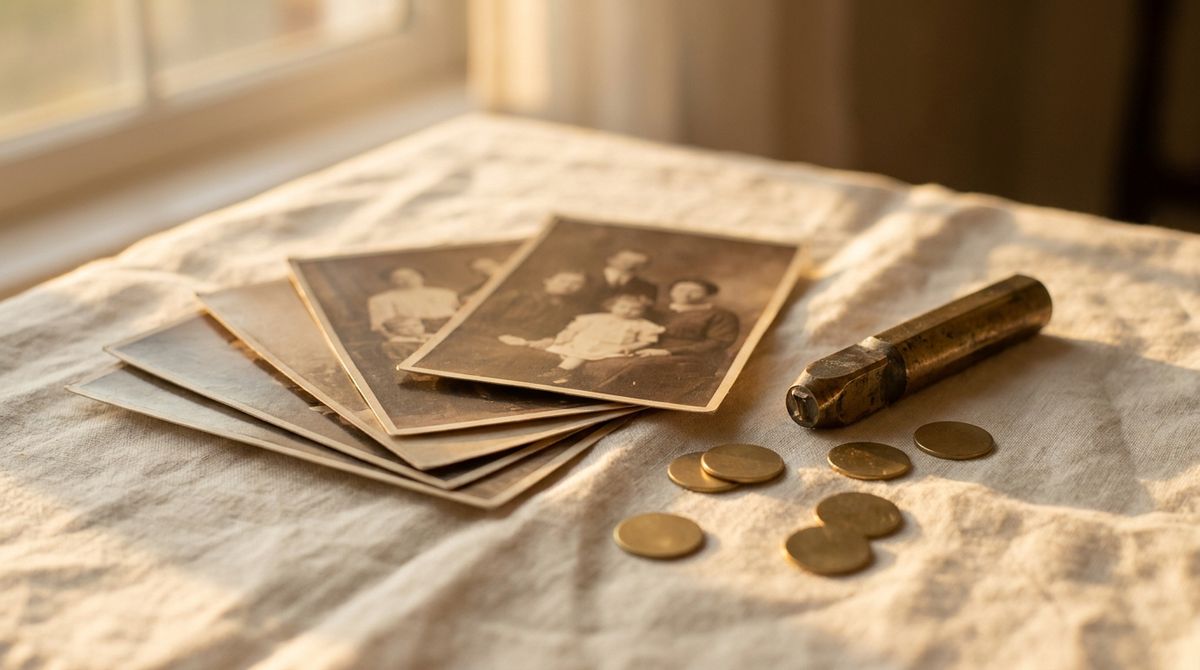

For most of the twentieth century, baby naming ran in a fairly straight line: each generation reached for something that sounded clearly newer than what their own parents were called, and nobody wanted to hand a newborn a name that read as “grandma's name.” That pattern has reversed. Names that peaked around a hundred years ago — and then spent decades sounding hopelessly dated — are now among the fastest-climbing picks on birth certificates, especially names pulled from two generations back rather than one. Parents are skipping straight past the names their own parents wore and landing on the names their great-grandparents wore instead.
Why Vintage Names Are Having a Moment Again
The mechanism behind this is a well-documented naming cycle, not a mystery trend: a name falls out of favor because it starts to sound dated to new parents, stays out of use long enough for that dated feeling to fade completely, and then reads as unfamiliar — which, to parents naming a baby in 2026, registers as fresh rather than old. A hundred years is roughly the span it takes for that full cycle to complete, which is why the names surging back right now are overwhelmingly ones that were common in the 1900s through the 1930s and largely disappeared by the 1970s and 80s.
There's a second force pushing the same direction: a lot of these choices are direct family tributes. A name that belonged to a specific great-grandparent carries a story a newly invented name can't, and that emotional weight is a real part of why parents are willing to use a name their own generation once considered old-fashioned.
What Actually Counts as a “Vintage” Name
Not every old-sounding name is a genuine revival, and the distinction matters if you're trying to understand what's actually trending versus what only sounds antique. A true vintage revival was common roughly a century ago, dropped well out of regular use for a generation or two, and has climbed back only in the last several years. That's different from a name like Robert or Elizabeth, which never really left — it stayed in steady, moderate use the whole time, so there's no “revival” to speak of, just continuity. It's also different from a manufactured name that's built to sound old (extra vowels, an antique-feeling suffix) without ever having actually been common. The names below are the real thing: names with an actual peak, an actual decline, and an actual comeback that shows up in how often expecting parents are searching for and choosing them again.
Vintage Girls' Names Making a Comeback
Margot is the clearest example of the trend: a French name meaning “pearl,” common in the early 1900s, all but disappeared for decades, and now reads as effortlessly elegant rather than old — the exact reversal the naming cycle predicts. Millie, meaning “gentle strength” or “industrious,” started life as a nickname for Millicent or Mildred and has come back strong enough to stand entirely on its own, with parents choosing it directly rather than as a short form of something longer. Vera carries a double meaning depending on the root you trace — “faith” in Russian, “true” in Latin — and its short, single-syllable-feeling sound fits current taste for simple, unfussy names better than most other Edwardian-era picks do. Josie, meaning “God will add” or “God will increase” as a shortened form of Josephine, is following the same path as Millie: a once-diminutive name now chosen outright.
Vintage Boys' Names Making a Comeback
Beau means “handsome” in French and has quietly climbed for years without ever feeling like a fad — it reads as warm and a little Southern rather than aggressively vintage. Dominic, meaning “of the Lord,” is an old saint's name that's regaining ground after a long lull, with the kind of formal weight that also shortens easily to Dom or Nico. Robert, meaning “bright fame,” topped the charts through the middle of the twentieth century, spent the following decades reading as an “old man's name,” and is now being chosen again by parents naming a baby after a specific grandfather rather than as a generic classic pick. Emmett, meaning “universal” or “whole,” follows the textbook revival arc most closely of the four: a genuine top-name in the early 1900s, essentially gone by mid-century, and rising sharply again over the last decade.
Vintage Revival vs. the Nature-Name Trend
It's worth separating the vintage revival from a trend it often gets lumped in with: nature names. Wren, meaning “small songbird,” and Rowan, meaning “little red one” after the rowan tree, are both genuinely popular right now, but they're not vintage revivals in the same sense as Millie or Emmett — neither one had a real early-1900s peak followed by a decline. They're new-ish choices that happen to share the short, one-syllable, slightly old-world sound that also makes vintage names appealing, which is why the two trends get confused. If the goal is specifically to revive a name a relative actually carried, it's worth checking whether the name you like was genuinely common a century ago or whether it just sounds like it was — the two searches turn up different answers, and only one of them is a true generational tribute.
Choosing a Vintage Name for a 2026 Baby
The easiest way to use a vintage name without it feeling costume-y is to pair it with a middle name that sits in the present — a vintage first name reads as intentional and a little unexpected, while a vintage first-and-middle combination can tip into feeling like a period piece. It also helps to check how the name actually sounds said out loud in full, since a lot of these names were originally nicknames (Millie, Josie, Vera) and can pair awkwardly with an equally old-fashioned surname. For parents naming after a specific relative, keeping the name's real meaning and origin close at hand matters for anything that will carry it long-term — a birth-announcement card, a nursery print, or a keepsake piece engraved with the name and its meaning, which is exactly the kind of detail that makes a revived name feel personal rather than borrowed.
Frequently Asked Questions
Why are vintage baby names trending in 2026?
Names that were common about a century ago (roughly the 1900s through the 1930s) spent decades sounding dated and dropped out of use. Once enough time passes for that “dated” feeling to fade, the name reads as unfamiliar and fresh again to new parents, which is the same naming cycle that has repeated for generations — it's just this era's turn.
Is Robert a vintage revival, or has it always been popular?
Robert is a different case from names like Millie or Emmett. It topped the charts through the mid-1900s, then declined for decades rather than disappearing outright, and is now being chosen again — often as a direct family tribute rather than a general trend pick.
What's the difference between a vintage name and a classic name?
A classic name (like Elizabeth or James) stayed in steady, continuous use the whole time, so there's no real “comeback” to speak of. A vintage revival name had an actual peak, an actual multi-decade decline out of common use, and a genuine recent resurgence.
Do vintage names work well as middle names?
Yes — a vintage middle name is a common way to honor a relative's name without building the whole identity around it, and it pairs more easily with a wider range of modern first names than using the vintage name up front.
Are Wren and Rowan vintage names too?
Not in the strict sense. Both are currently popular and share the same short, old-world sound as genuine vintage revivals, but neither had a real early-1900s peak and decline — they belong to the separate (and overlapping) nature-name trend rather than the generational-revival one.