
You’ve seen it. You’ve probably worn it. You might even own a phone in it.
Rose gold has been everywhere in the last decade—from engagement rings and watches to phone cases and hair color.
But what is it, really?
Is it just a trendy shade of pink metal?
Is rose gold real gold?
And why does it seem to flatter everyone?
Let’s break it down, without the science class stiffness—just real talk about this warm, romantic metal and why it keeps winning hearts (and wrists, and fingers).
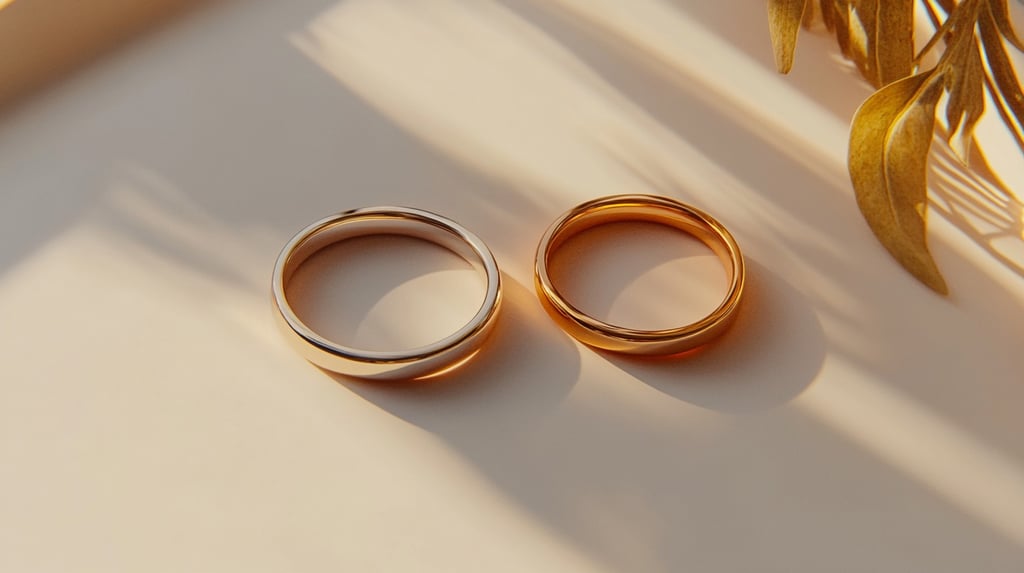
💗 What Is Rose Gold, Really? (And Yes—It’s Real Gold)
Despite the soft pink tone and delicate look, rose gold isn’t some new synthetic metal or a fancy coating.
It’s real gold—just blended differently.
What is rose gold made of?
It’s an alloy: a mix of pure gold + copper (and sometimes a little silver).
- Pure gold = naturally yellow
- Copper = gives it that warm, blush-pink hue
- Silver = sometimes added to soften the reddish tones
So yes—rose gold is real gold. The amount of gold in it depends on the karat.
🔍 A quick breakdown:
- 18k rose gold = 75% gold + 22.5% copper + 2.5% silver (typical for luxury pieces)
- 14k rose gold = 58.5% gold + more copper (slightly more durable, more affordable)
The more copper, the deeper the pink tone.
🎯 Good to know:
There’s no “pure” rose gold because pure gold (24k) is always yellow.
The rose color comes only from mixing it with copper.
✨ Why Is Rose Gold So Popular?
You know how some styles just feel right? Rose gold is one of those.
There’s something about its balance—it’s feminine but not girly, soft but still strong.
Why people love rose gold:
- It looks vintage and modern at the same time
- It pairs beautifully with both gold and silver jewelry
- It flatters most skin tones (more on that later)
- It feels romantic, without being cliché
- It’s different—but not too different
It’s the jewelry world’s middle child—in the best way.
Not as bright as yellow gold, not as cool as white gold… but quietly charming in its own category.
And it works whether you’re wearing a bold cocktail ring or designing an everyday custom necklace with soft elegance in mind.
Rose Gold vs Yellow Gold vs White Gold: What’s the Real Difference?
Let’s be honest—standing at the jewelry counter looking at three gold pieces in different colors can be overwhelming.
They’re all beautiful. They’re all gold. But they’re not the same.
So here’s the real-world breakdown of the big three:
➤ Yellow Gold
- The most traditional gold color
- Naturally warm and sunny in tone
- Looks great on warm or darker skin tones
- The most “classic” for heirloom or vintage-style pieces
➤ White Gold
- Gold mixed with metals like palladium and coated in rhodium
- Cool-toned, bright, sleek—like platinum
- Popular for modern engagement rings
- Needs rhodium re-plating every few years to stay bright
➤ Rose Gold
- Gold + copper = that rosy, blush tone
- Romantic, soft, and warm
- Pairs beautifully with warm, cool, or neutral skin
- Feels both vintage and fresh
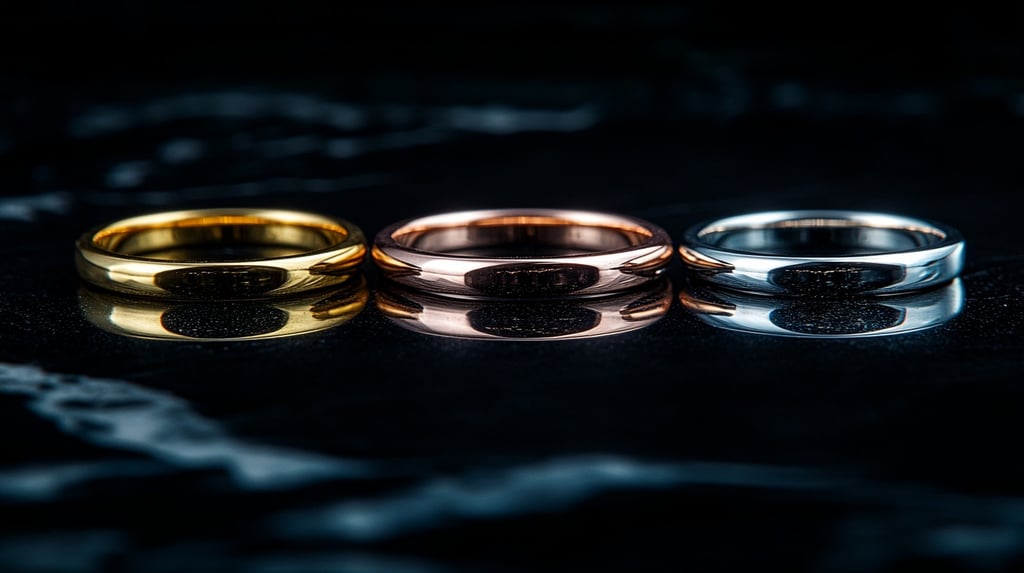
📋 Quick Gold Comparison Table
| Gold Type | Tone | Main Alloy | Best For |
|---|---|---|---|
| Yellow Gold | Warm, rich | Gold + silver/copper | Classic and vintage looks |
| White Gold | Cool, silvery | Gold + palladium + rhodium coating | Modern, sleek designs |
| Rose Gold | Blush-pink | Gold + copper | Romantic, personalized styles |
🎯 Need help choosing?
Rose gold works best when you want something a little warmer than silver but a little softer than yellow. It’s the sweet spot for people who love custom necklaces with an edge of elegance.
🧡 Who Looks Best in Rose Gold? (Hint: It Might Be You)
One of rose gold’s secret powers? It looks amazing on almost everyone.
Because of its soft warmth and pink undertones, it adapts beautifully to:
✨ Warm Skin Tones:
Makes golden hues glow even more. Think olive, tan, or golden complexions.
✨ Cool Skin Tones:
Provides contrast without looking too “yellow.” Looks great on fair skin with blue/pink undertones.
✨ Neutral Skin Tones:
Rose gold might be your new go-to—it enhances without overpowering.
🎯 Bonus styling tip:
Rose gold looks especially gorgeous against black, white, navy, and blush pink outfits.
Perfect for day-to-night jewelry and romantic statement pieces.
🛠️ Is Rose Gold Durable? (Yes—and Here’s Why)
Let’s be real: no one wants jewelry that looks good for a week and then flakes.
The good news? Rose gold is surprisingly tough.
Here’s why:
- Copper is a strong metal. The more copper in the mix, the stronger the final alloy.
- 14k rose gold is more durable than 18k (because it has more copper, less soft gold).
- Great for rings, bracelets, and everyday earrings.
The only downside?
Rose gold can develop a patina over time—a kind of soft, slightly darker glow. But many people actually love this look. It gives the piece a vintage, lived-in beauty.
💡 Care tip:
Use a soft cloth and gentle soap to clean rose gold. Avoid harsh chemicals or abrasive cleaners that can dull the surface over time.
💬 What Does Rose Gold Mean in Jewelry?
There’s a reason rose gold keeps showing up in engagement rings, lockets, and heirloom pieces.
It’s more than a color—it’s a feeling.
- Romance without cliché
- Elegance with softness
- Femininity with strength
- Luxury that feels personal
That’s why so many people choose rose gold for personalized jewelry.
The warmth of the metal mirrors the sentiment behind the piece—whether it’s initials, dates, charms, or custom engravings.
And that’s rose gold:
Not just a trend, but a timeless, emotional metal that tells its own story—without ever raising its voice.
Whether you’re shopping for something new, updating your everyday pieces, or dreaming up a piece of personalized jewelry, rose gold is that rare metal that feels both luxurious and lived-in.
It’s softness with an edge.
It’s gold—with heart.
The Style Hub
Learn, Shine, and Stay on Trend.
Gold vs. Silver Jewelry: What Suits Your Skin Tone Best?
Choosing between gold and silver isn’t just about preference—it’s about knowing what enhances your natural
Aug
The History and Symbolism of Charm Necklaces
Charm necklaces aren’t just pretty pieces of jewelry. They’re time capsules. Worn stories. Tiny symbols
Jul
How to Tell If Silver Is Real: The Ultimate Guide to Authenticating Silver
Whether you’re sorting through a box of heirlooms, evaluating a coin collection, or just curious
Jul
Parts of a Necklace: The Ultimate Guide to Every Hidden Detail
Necklaces are more than accessories. They’re stories draped around our necks—symbols of love, rebellion, culture,
Jul
The Broken Jewelry Theory: Hidden Messages in Shattered Trinkets
When Jewelry Breaks, What Is It Trying to Say? It always seems to happen at
Jul
Bangle vs Bracelet vs Cuff: Key Differences
Confused between a bangle, a bracelet, and a cuff? You’re not alone. These three wrist
Jul
Ancient Coin Jewelry: History You Can Wear
A Journey Through Time: What Makes Ancient Coin Jewelry So Alluring? There’s something undeniably captivating
Jul
Does Stainless Steel Turn Green?
Unveiling the Truth Behind Metal Discoloration and How to Prevent It Quick Answer: No, genuine
Jul